Automotive
Professional Car Cleaning & Restoration
Dry ice blasting removes oil, grease, carbon deposits, and road grime from engine bays, underbodies, and chassis components without disassembly. Our non-abrasive, dry process is safe on gaskets, seals, wiring looms, and sensitive electronics — leaving nothing behind but a clean surface.
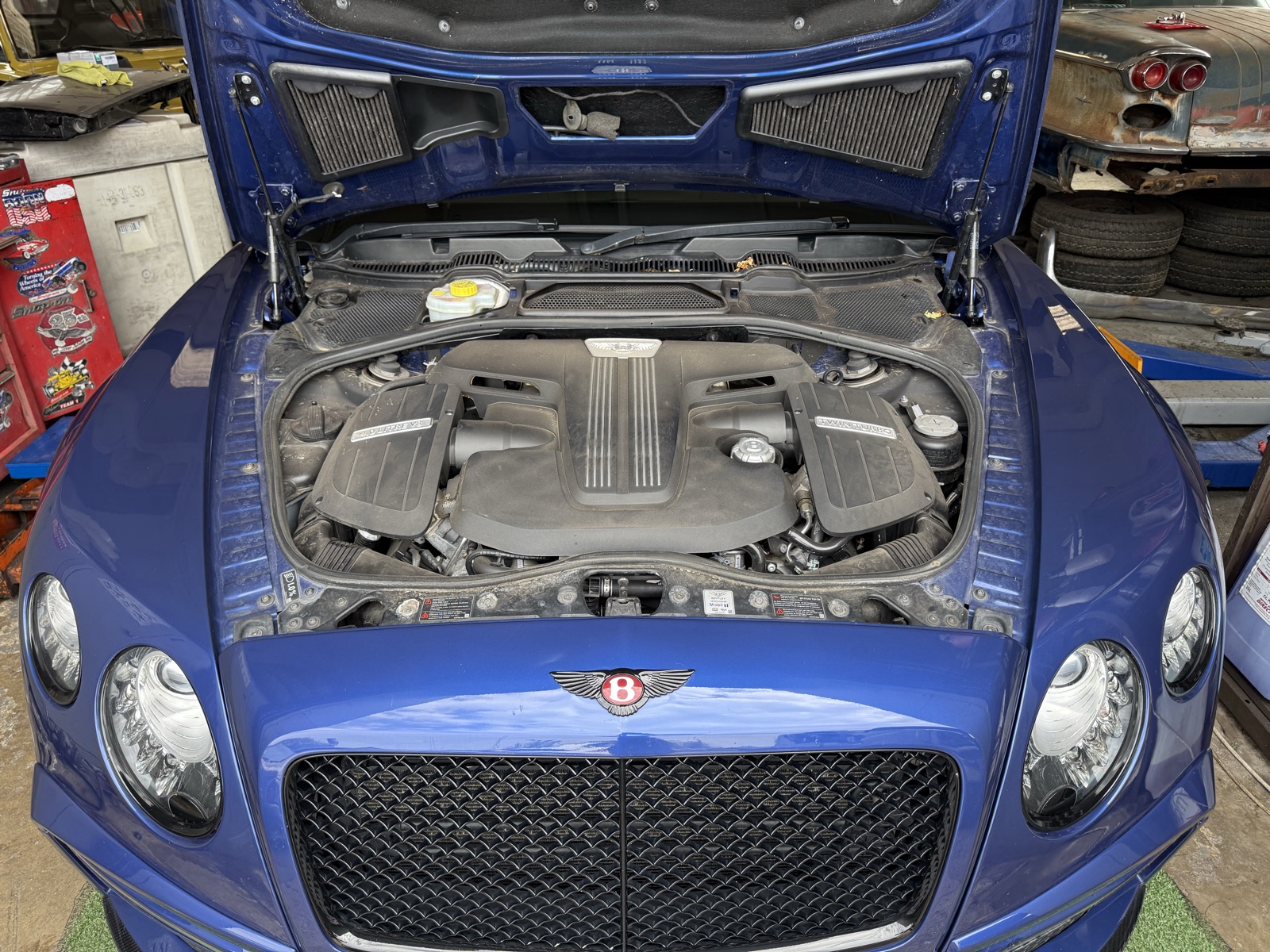
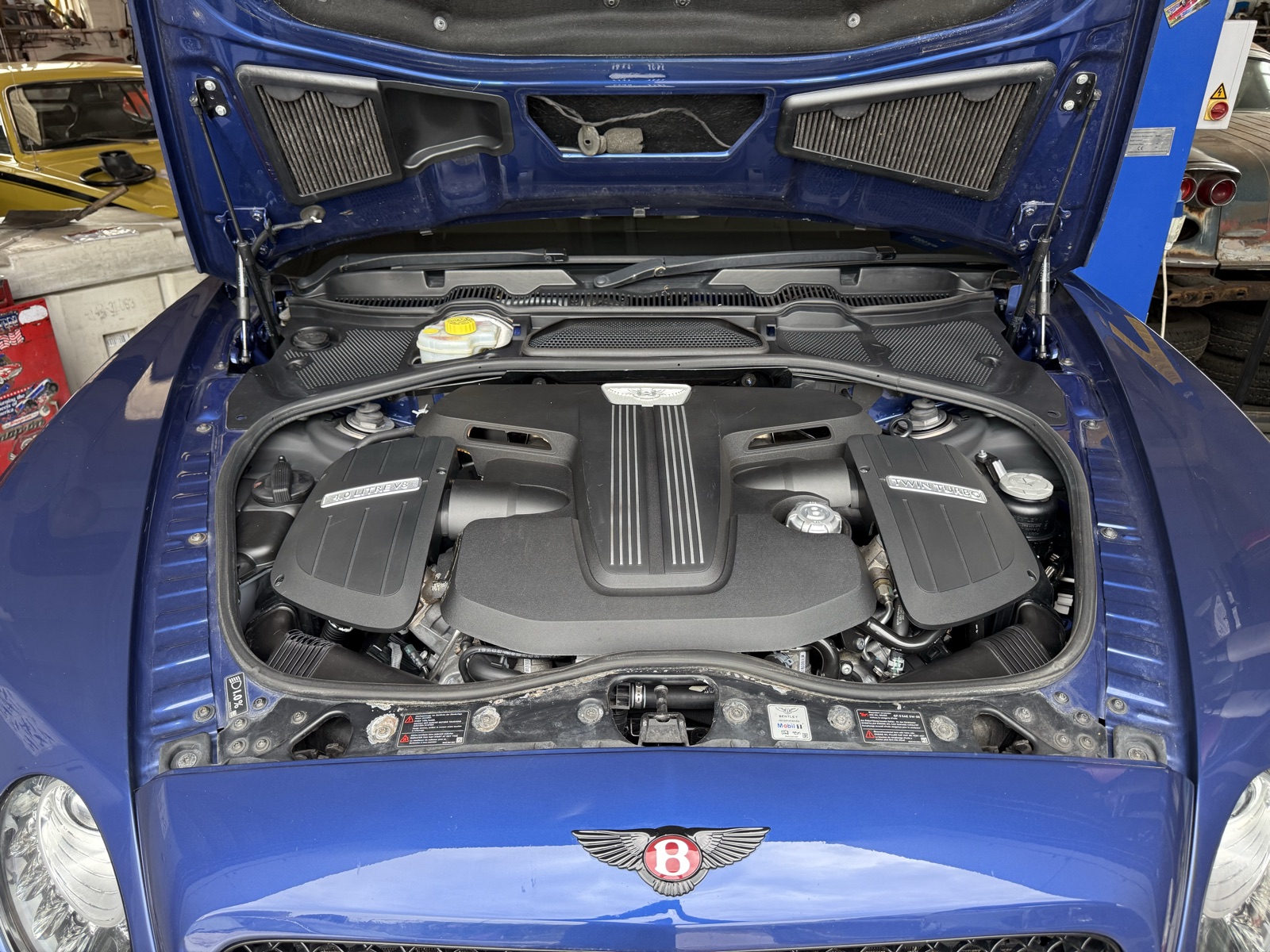
Surfaces we've taken
down to honest metal.
- →Unlike pressure washing, dry ice blasting creates no moisture ingress into closed compartments, electrical connectors, or bearing housings
- →Unlike chemical solvents, there is no toxic run-off to manage or surface residue that could damage rubber seals and gaskets
- →Unlike manual scrubbing, the blasting process reaches inaccessible areas behind wiring harnesses, suspension components, and bulkheads
- →Unlike steam cleaning, there is no heat applied to temperature-sensitive plastics, electrical insulation, or painted surfaces
- № 01
- No disassembly required — components cleaned in-situ
- № 02
- Safe on gaskets, seals, wiring looms, and rubber components
- № 03
- Removes oil, grease, and carbon deposits completely
- № 04
- No moisture damage — dry process with no water left behind
- № 05
- Ideal MoT preparation — clean underbodies pass visual inspections more easily
Our automotive cleaning service uses food-grade dry ice pellets blasted at controlled pressure to sublimate on contact, lifting contamination without abrading surfaces. The process leaves no secondary waste beyond the loosened contamination itself.
Things people ask first.
- Q · 01
- Is dry ice blasting safe for painted bodywork?
Yes — when applied correctly at appropriate pressure, dry ice blasting is non-abrasive and will not damage factory or respray paintwork. We adjust pressure settings for each area of the vehicle. We do not blast directly onto stone chips or peeling paint as the process could lift compromised coatings.
- Q · 02
- How long does an automotive dry ice clean take?
An engine bay clean typically takes 1–2 hours. A full underbody and chassis clean takes 2–4 hours depending on vehicle size and level of contamination. We will advise on timing when you book.
- Q · 03
- Can dry ice blasting remove rust?
Dry ice blasting removes loose surface rust and rust-contaminated coatings. It is not a rust converter — it prepares the surface by removing contamination so that rust treatment or protective coatings can be applied correctly. For heavy structural rust, we recommend following up with a specialist rust treatment.
- Q · 04
- Is it safe to use near electrical components?
Yes. Because the process is dry, there is no moisture to cause short circuits or corrosion. Dry ice blasting is used by automotive restoration specialists and MRO facilities specifically because it is safe around wiring, sensors, and electronic modules.
Pick a date.
We'll hold it for £100.
Deposit is non-refundable but fully credited against the balance. Confirmed by email within an hour during workshop hours.